Skip to content

Amendment 3 Passes. What's Next?

Florida voters approved Amendment 3 on November 3. One week later, our government team sat down with finance leaders from across the state to work through what it means for the next two budget cycles. The full roundtable is below.

What Changes, and When

Amendment 3 hits local budgets in two places: how much of a home’s value can be taxed, and how fast non-homestead assessments can grow.

  • Homestead exemption. No change in 2026. The first $150,000 is exempt in 2027 and the first $250,000 in 2028. From 2029 the exemption is adjusted for inflation.
  • Non-homestead assessment cap. Annual growth is capped at 5%, down from 10%. The homestead cap stays at 3%.
  • Residency. Anyone who becomes a resident after January 1, 2027 must wait five years before receiving the higher exemption.
  • Allowable uses. Property tax revenue is tied to core purposes: public safety, schools, infrastructure, flood control and natural resources, debt service, pensions, and county officers. It also covers spending approved by governing bodies, unless general law prohibits it.

The state estimates the eventual hit to local governments at about $12 billion in annual revenue.

Replace, Shift, Cut

Every local government’s response will be some mix of three moves.

Replace. Bring in new or expanded revenue from fees, grants and other local sources.

Shift. Pay for capital and one-time costs out of reserves instead of the operating budget, revisit expense allocations, and put idle cash to work. Tax shifts such as fire assessments or raising millage to the roll-up rate also fall here, and their political fallout is much harder to predict.

Cut. Adjust services, phase in spending and find savings where revenue can’t be replaced.

The right mix depends on your numbers, your reserves and how your community will react. In the recording, Zach, Brendan and Vince show how one municipality offset a real share of its property tax revenue without raising taxes or fees. They also lay out a four-step roadmap for the budget conversation and answer the questions finance leaders brought to the roundtable, from the potential December special session to whether to plan one year at a time. It’s an hour worth having before your next budget hearing.

Your Presenters

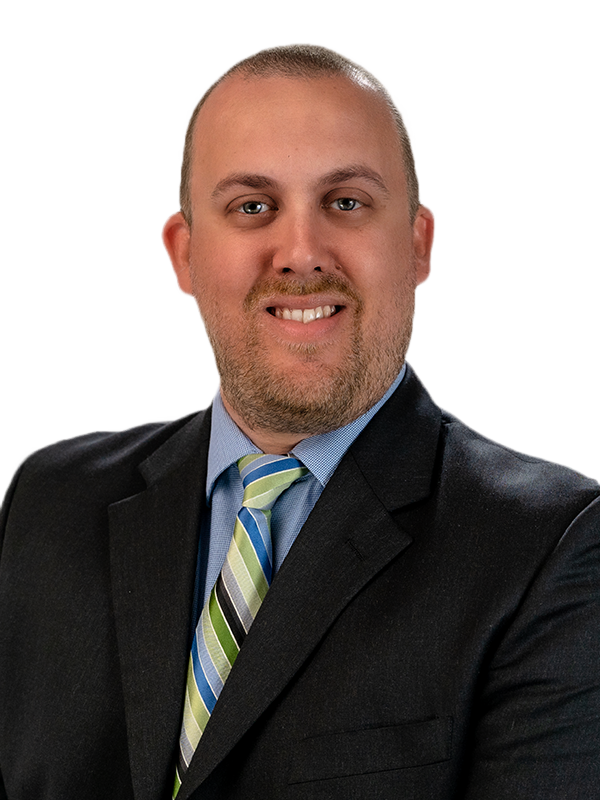
Zach_Chalifour-DSC04485_pp_NoBG-600x800

Zach Chalifour, CPA | Partner

Zach leads JMCo’s Government Services and Municipal Finance Support Services teams and has spent nearly 20 years working with governments whose budgets run from $1 million to more than $1 billion. Since 2019 he has also served as contract Finance Director for the City of Lake Helen, so he sees local budget pressure from inside city hall as well as from the audit side.
Read Zach’s full bio → 

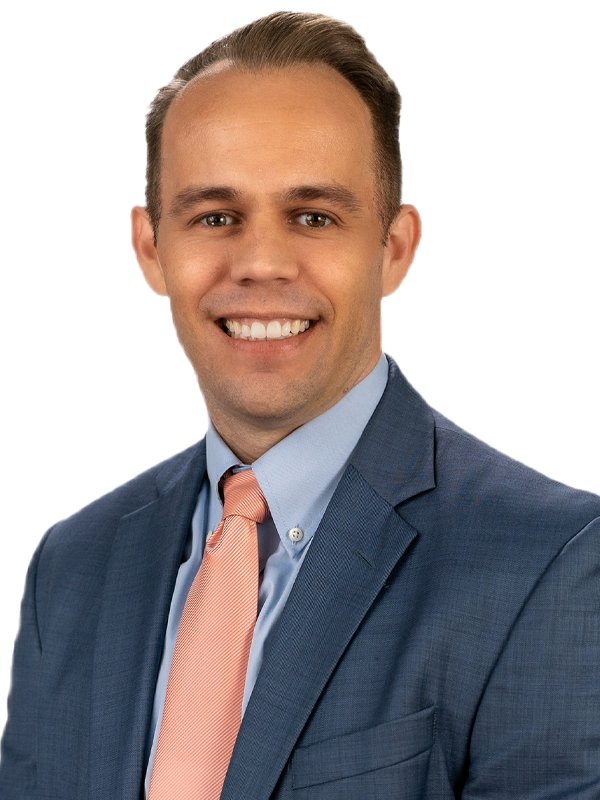
Brendan McKitrick-DSC03921_pp_NoBG_600x800

Brendan McKitrick, CPA, CISA | Partner

Brendan has nearly 20 years of experience auditing and advising municipalities, special districts and counties across Florida. As a CISA, he also understands the systems that produce a government’s financial data. He’s a regular presenter in JMCo’s annual government CPE series.

Read Brendan’s full bio →
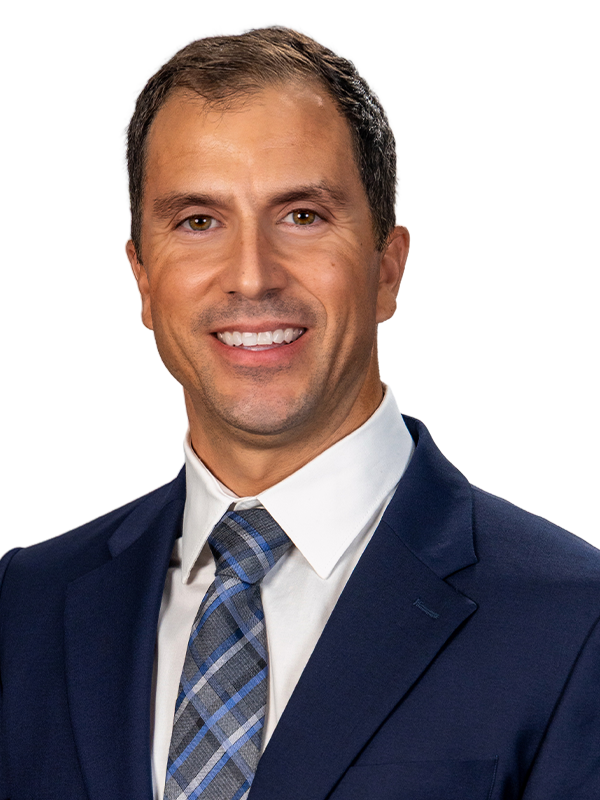
Vince Tenaglia-Web_600x800

Vince Tenaglia, CPFO, CGFO | Director of Governmental Advisory Services

Vince spent more than 20 years in city government, including assistant city manager and finance director roles in three municipalities. He now leads JMCo’s outsourced accounting, fractional CFO and budget advisory work for government clients. Finding revenue and cost savings before anyone has to talk about cuts is the part of the job he likes best.


Read Vince’s full bio →


Size Your Gap Before the Next Budget Cycle

How exposed your community is depends on its revenue mix, its reserves and how much its budget relies on assessment growth. Our government team can help you put a number on the gap and build the plan you’ll take to your board.